Intersectionality:
Transform your health
equity research

Intersectionality Summer Intensive (ISI 2027)
The first and only global intensive dedicated to applied intersectionality research.
Small cohort.
Deep immersion.
Transformative impact.
July 12 to July 16, 2027 Philadelphia, PA


October 23 & November 6, 2026
Measure it!
These sessions will provide you with the knowledge and skills necessary to develop new intersectionality measures for quantitative research, and to assess the validity and reliability of new and existing measures.

ITI's blog is now live
Intersectionalia®
Intersectionality, applied. Ideas, Salon recaps, answers, resources, takes, and reflections on power, social justice, equity, and the work of applying intersectionality to research, policy, and practice for transformative change.
Read the lastest post about Gloria Steinem.

Visit the FAIR Portal
Framework for Applied Intersectionality Research (FAIR)
FAIR reframes intersectionality as a critical transformative tool to advance health equity and social justice action, not just empirical research.
What Is Intersectionality?
Rooted in the experiences of Black and other women of color in the U.S. and Black feminist activism, intersectionality highlights how multiple and intersecting systems of oppression (e.g., racism, sexism, heterosexism, and ableism) shape social, economic and health outcomes and inequities based on intersectional positions (e.g., racial/ethnic group, sex, gender, sexual and gender minority status, socioeconomic status, and disability) and their relationships to power and privilege.
What they're saying about us
ISI22 was integral to obtaining my first R01 and becoming an expert in the field of Intersectionality. Not only did I meet a variety of scholars for whom I continue to collaborate (including one of my Co-PI's), but I also learned how to make my writing and ideas more accessible to a wider audience of interested people. This is very important because one of the things I continually hear is that implementing the idea of Intersectionality in our work is "hard." Instead, I was given the tools and language to help scholars and others see Intersectionality as a "method" but also a guiding principle to help us all think about making the invisible visible.

The summer intensive exceeded all of my expectations (and I had heard it was amazing!). The content was exceptional — I now feel like I can apply intersectionality to grant proposals and do research more responsibly that benefits communities. I enjoyed the connections with each other. I appreciated the thoughtful and helpful feedback and learning about everyone’s incredible work. I also loved how much we laughed and had fun amid all the learning and growth.

I attended the one-day ITI training, and it was a triple "I" experience: immersive, intensive, and interactive. I left the training with a strong orientation to intersectionality, an abundance of resources and references, greater clarity about the presence, the role, and the impact of intersectionality on my service and scholarship, and of most importance, I left the training as a member of a growing community of other ITI scholars.
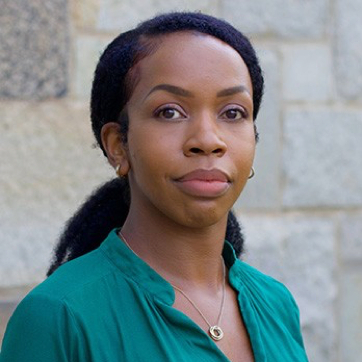
The [2-day in person training session] allowed me to deepen my thinking and analysis of intersectionality and its application to my work. I also feel invigorated about teachings others about intersectionality. The session gave our group time to think about these ideas together.

Postdoctoral Fellow: Intersectionality Training Institute 2022 Cohort
Elle Lett, PhD, AM
Clinical Assistant Professor
Heath Systems and Population Health
School of Public Health
University of Washington
Doctoral Students: Intersectionality Training Institute 2023 Cohort
Courtney Gardner
Department of Population Health Sciences
University of Central Florida
Deja Knight, MPH
Social & Behavioral Interventions Program, Department of International Health
Dielle, Lundberg, MPH
School of Public Health
University of Washington
Meet the Institutions Who Have Trusted Their Trainings to Us